
Drinkable Landscapes: Native Plants That Can Flavour Beverages 🌿🥤
Wild plants offer a rich world of edible, medicinal, and aromatic possibilities that delight our senses—taste, scent, texture, and visual beauty. In this post, we’ll explore the tasting side of native plants and how they can transform simple drinks into memorable experiences.
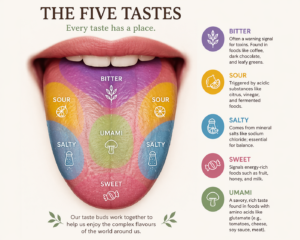
Wild plants, flowers, fruits, and even bark can contribute diverse and intense flavours to beverages. These flavours fall into the five basic tastes recognized by the human tongue:
The Five Tastes
- Sweet — Signals high-energy foods such as fruit, honey, and milk.
- Sour — Triggered by acidic substances like vinegar, citrus juice, and yogurt.
- Salty — Produced by mineral salts such as sodium chloride; essential for balancing flavour.
- Bitter — Often a natural warning signal for toxins; also found in foods like coffee, dark chocolate, and leafy greens.
- Umami — A rich, savoury taste linked to amino acids like glutamate, found in foods such as tomatoes, cheese, soy sauce, and meat.
Alberta Native Plants Representing the Five Tastes 🌼
Many native plants right here in Alberta contribute beautifully to these taste categories.
Sweet
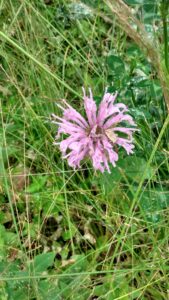
Saskatoon Berry offers a classic sweet, nutty flavour. Sweet aromatic notes can also be found in the nectar of Wild Bergamot,
Honeysuckle, and the petals of Wild Rose.
Sour / Acidic
Wood Sorrel and Sumac berries are known for their bright, lemony acidity. These flavours shine in refreshing beverages like lemonades and infused waters.
Bitter
Yarrow provides a slightly camphorous, tarragon-like bitterness, while members of the Willow family contain naturally bitter bark due to salicin content. These plants have long histories in traditional herbal use.
Some native plants—such as Baneberry—are extremely bitter and toxic. Their bitterness is a warning signal and they should never be ingested. Columbine flowers contain small amounts of sweet nectar, but the rest of the plant is bitter and toxic.
Savoury / Umami
Wild Licorice and Cattail roots can contribute subtle savoury earthy notes.
Pungent / Minty / Aromatic
Wild Mint and Wild Bergamot provide strong aromatic flavours that work beautifully in refreshing beverages.
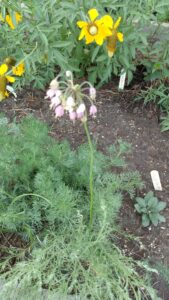
Even plants like those of the onion family demonstrate how flavour shifts—raw onions are pungent, but when cooked, their sugars concentrate and create mild sweetness and savoury richness.
Native Plants in Modern Beverages 🍹
Local microbreweries, wineries, meaderies, and distilleries are growing in popularity, alongside the expanding world of mocktails, sodas, and flavoured waters. Native plants support these beverages beautifully with their unique flavours, aromas, visual appeal, and traditional uses.
Here are some of the top ways to use native plants in beverages:
1. Infusions and Teas 🍵

Hot Teas
Gently simmer leafy plants (such as Wild Mint) or flowers (like Goldenrod). Avoid boiling, as excessive heat can damage delicate compounds. Cover and steep for about 4 minutes.
Cold Maceration
Steep aromatic plants—such as Sumac—in cold water for several hours to create delicate, refreshing beverages.
Infused Spirits
Submerge sturdy ingredients like White or Black Spruce tips or Balsam Fir tips in vodka for at least seven days in a dark place to create deeply aromatic botanical infusions.
2. Syrups and Cordials 🍓
Berries and Blossoms
Simmer wild berries (such as Wild Currants or Wild Raspberry) or edible flowers with equal parts sugar and water to create flavourful syrups. These are wonderful additions to sodas, sparkling waters, or cocktails.
Bitters
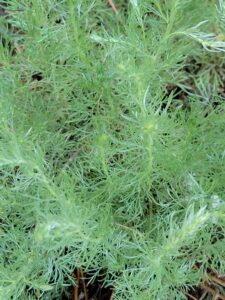
Roots and woody herbs like Yarrow or Fringed Sage can be used to create traditional digestive bitters.
3. Muddling and Refreshers 🌱
Wild Mint Spritz
Gently clap Wild Mint leaves between your hands to release their aromatic oils, then add to soda water with lemon juice for a refreshing non-alcoholic beverage.
Muddled Fruits and Herbs
Use a wooden spoon to crush aromatic plants such as Wild Bergamot or Woodland Strawberries at the bottom of a glass to infuse drinks naturally.
4. Fermentation 🫧
Wild Sodas
Combine wild plants with sugar water and a yeast starter to create lightly fermented, sparkling beverages.
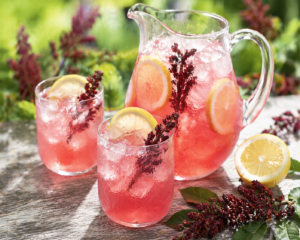
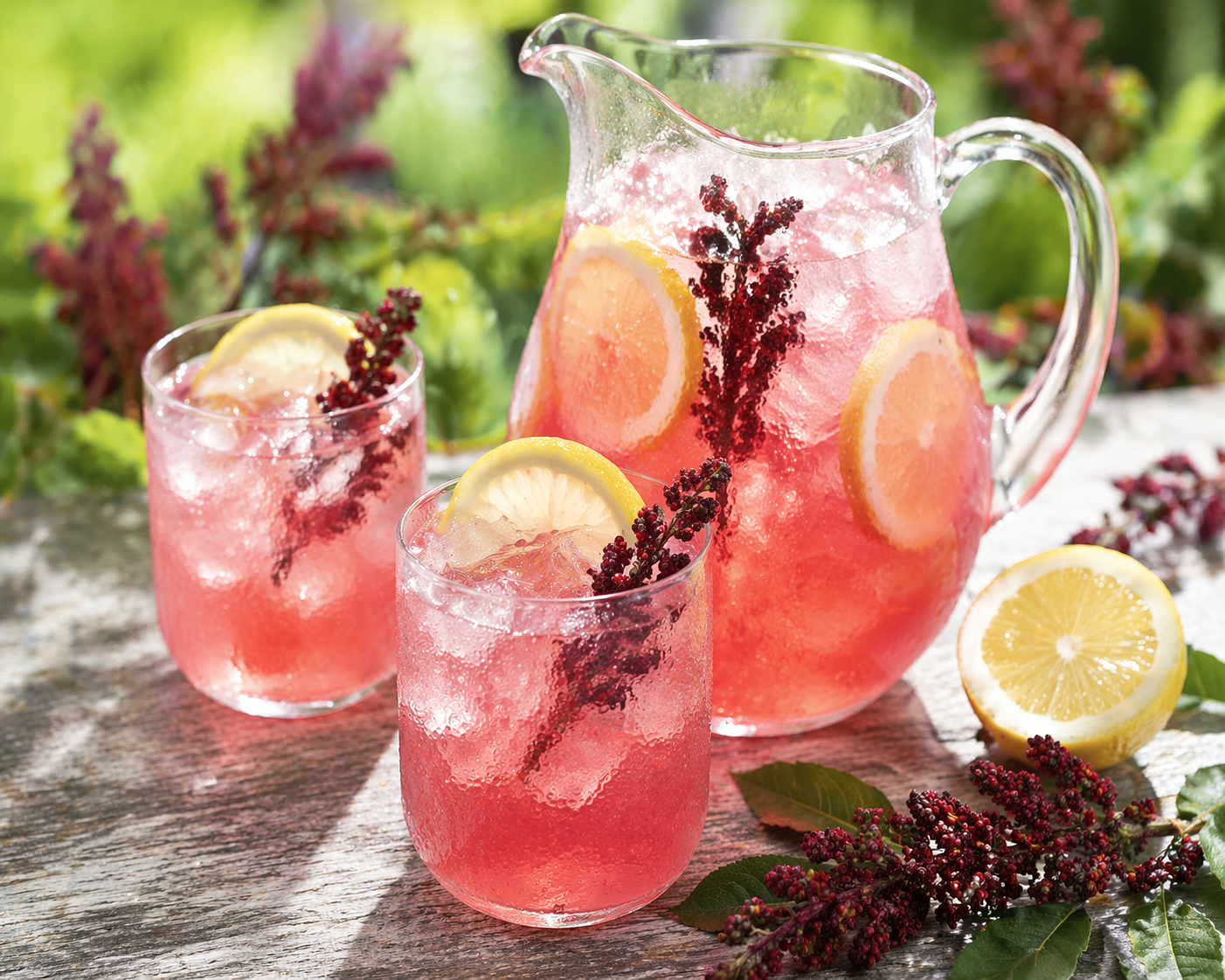
Sumac Lemonade
Soak Sumac berries in cold water for several hours to produce a tart, pink lemonade with striking colour and flavour.
5. Garnishes 🌸

Edible flowers such as Wild Violets, Wild Roses, or Blanketflower make stunning drink garnishes. Try
freezing them into ice cubes for beautiful visual appeal in both everyday drinks and special gatherings.
A Living Landscape You Can Taste 🌿
Drinkable landscapes invite us to experience plants in a new way—through flavour, creativity, and connection. By incorporating native plants into beverages, you can:

- Support local ecosystems
- Reduce reliance on imported ingredients
- Strengthen ecological resilience
- Create meaningful, shared experiences
- Add beauty and uniqueness to everyday moments
You truly can eat—and drink—your landscape while supporting local biodiversity and building stronger community connections. Whether sharing a refreshing herbal tea, crafting a seasonal cordial, or garnishing a glass with native flowers, these experiences bring people together and create lasting memories.
A Gentle Reminder ⚠️
Always properly identify plants before using them, and research safe preparation methods. Some plants have toxic look-alikes, and others should only be used in small amounts or be avoided entirely.
When in doubt—learn from experienced growers, herbalists, or native plant educators.
You must be logged in to post a comment.