

Oxalates in Plants
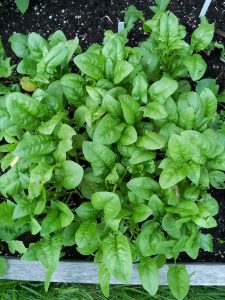
Oxalates are naturally occurring compounds found in many plants, including leafy greens, nuts, seeds, and fruits, where they serve as a defence mechanism by deterring herbivores and insects and by helping manage plant stress. They protect plants through both physical and chemical means, forming sharp, needle-like crystals that irritate predators and binding to essential minerals to reduce their bioavailability.
Key Defence Mechanisms of Oxalates in Plants:
- Physical Deterrence (Raphides): Many plants produce calcium oxalate crystals known as raphides. These needle-like crystals are stored in specialized cells and are released when the plant tissue is chewed, causing severe irritation, itching, and a burning sensation in the mouth and digestive tract of grazing animals or insects.
- Abrasive Properties: The hard crystals (raphides and druses – clusters of crystals) act as abrasives that damage the mouthparts and mandibles of chewing insects, reducing their feeding efficiency and overall survival.
- Reduced Nutritional Value (Anti-nutrient): Oxalates bind to calcium, magnesium, iron, and manganese, forming insoluble compounds. This reduces the digestibility of the plant material and limits the amount of nutrients the herbivore can absorb, making the plant less palatable and nutritious.
- Heavy Metal Detoxification: In the soil, plants use oxalates to bind with excess heavy metals (such as aluminum, lead, and cadmium) that could be harmful to the plant’s own cells.
- Stress Response: Oxalates help plants cope with environmental stress, such as poor soil quality, rapid growth, or drought, by safely binding and storing excess calcium.
While these mechanisms protect plants, they can also cause harm to animals and humans by irritating tissues and potentially contributing to the formation of calcium oxalate kidney stones.
They are not essential nutrients, but they are consumed in the diet and produced by the body. High intake can bind to calcium, creating crystals that increase the risk of kidney stones.
Key Facts About Oxalates:
- Sources: Common high-oxalate foods include
- Lambs’ Quarters(Chenopodium album): A very common weed that can contain moderate to high levels of oxalate, ranging from 360 to 2000 mg/100 g dry matter.
- Stinging Nettle (Urtica dioica): Stinging nettle contains high levels of oxalates (around 3100 mg/100g), which can contribute to kidney stones if consumed in large quantities, especially for those prone to them. However, they are highly nutritious and safe for most people in moderation, particularly if harvested young and cooked or dried, which reduces oxalate content.
- Wood Sorrel(Oxalis spp.): Known for its sour taste, often called “sour grass” or “nature’s skittles,” this plant contains significant oxalic acid.
- Dock(Rumex spp.): Rumex obtusifolius (broad-leaved dock) and Rumex crispus (yellow dock) are high in oxalates, with some studies listing them around 680mg/100g.
- Purslane(Portulaca oleracea): Identified as one of the highest oxalic acid-containing wild edibles, with estimates around 1.31% to 1.68%.
- Cacti:Many cactus plants are known for a high abundance of calcium oxalate crystals.
- Spinach, Swiss chard, rhubarb, beets, nuts (almonds), soy products, tea, and chocolate are all commercially grown crops that have higher oxalate levels.
- Tansy (Tanacetum vulgare) is not considered a food, but is also considered high in oxalates, particularly calcium oxalate, which is partly why it is considered toxic to most livestock (along with other constituents). I was originally told that grazing with sheep or goats (livestock most tolerant to tansy) was best in summer as the oxalates were highest in the spring, and again in the fall after flower production. However, other factors like differing soil conditions may influence the oxalate levels as well so regular testing would be advisable.
- Kidney Stones:
The primary risk of high oxalate consumption is the formation of calcium oxalate stones, which make up about 75% of all kidney stones
.“Anti-Nutrient” Effect: Because they bind to minerals like calcium during digestion, they can slightly reduce the absorption of these nutrients.
- Management: For most people, consuming oxalate-rich foods is healthy. However, people prone to kidney stones or with kidney disease may need to follow a low-oxalate diet.
- Mitigation: Increasing calcium intake at the same time as eating high-oxalate foods can help bind the oxalate in the stomach/intestine, allowing it to be excreted in stool rather than processed by the kidneys.
Symptoms of High-Oxalate Consumption:
If you have excessive levels of oxalates, it can lead to:
- Kidney stones
- Urinary tract irritation
- Potential for reduced nutrient absorption
Some studies suggest a low-oxalate diet might help reduce chronic pain for some individuals.
Plants containing oxalates have varying levels of oxalates depending on their stage of growth, season, and environmental conditions. Generally, for many plants—including some forages and leafy vegetables—oxalate concentrations are often highest in younger plants or during earlier growth stages and decrease as the plant reaches maturity.
Key Findings on Growth and Oxalate Levels:
- Younger vs. Mature Plants: In many plants, total oxalate concentrations decrease with advancing maturity. However, this can be
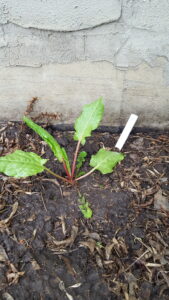
Young Garden Sorrel complex; some research on specific spinach cultivars has shown conflicting results, with certain studies indicating higher levels in mature leaf lamina.
- Re-growth Cycles: In pasture crops like Setaria, both soluble and total oxalates were found to be highest at the third cutting (young re-growth) and lowest at the sixth cutting (more mature), suggesting that younger, fast-growing tissues often have higher concentrations.
- Seasonal Factors: Plants often exhibit higher oxalate levels in early summer compared to late autumn.
- Effect of Plant Part: Oxalates are not uniformly distributed; they are generally higher in leaves compared to stems.
- Environmental Influence: Factors like high nitrogen fertilizer (especially nitrate) and high potassium can increase oxalate accumulation, while drought stress can also trigger the plant to produce more as a protective mechanism.
For consumption purposes, younger spinach leaves or those harvested in certain seasons may have a different, sometimes higher, concentration of oxalates compared to mature, established plants. For reducing oxalate intake, harvesting plants at different stages or choosing specific seasons may be beneficial.
Cooking significantly reduces oxalate levels in plants, particularly through boiling, which allows the water-soluble compounds to leach out into the cooking water. Boiling leafy greens like spinach or Swiss chard can reduce soluble oxalates by 30–87%. To maximize reduction, discard the cooking water and avoid dry heat methods like roasting.
Effectiveness of Cooking Methods on Oxalates
- Boiling/Blanching: The most effective method (30–87% reduction).
- Steaming: Less effective than boiling (5–53% reduction).
- Other methods: Roasting and frying do not significantly reduce oxalates because they do not allow for leaching.
- Soaking: Reduces oxalate content in legumes and some vegetables.
Key Takeaways
- Water Solubility: Oxalates are water-soluble; they must leach into the water for removal.
- Discard Water: Always discard the water used for boiling or blanching to remove the leached oxalates.
- Calcium Pairing: Pairing high-oxalate foods with calcium-rich foods helps prevent absorption of remaining oxalates in the gut.
- Vegetable Types: High-oxalate foods like spinach, beet greens, and Swiss chard benefit the most from boiling.
Pros of Oxalate-Containing Plants
Oxalates (specifically oxalic acid) found in certain plant species can clean cast iron cookware, particularly by removing rust and stains. While they are effective at cleaning, they should be used with caution as they can also strip the seasoning from the pan if not managed properly.
How Oxalates Clean Cast Iron:
- Rust Removal: Oxalic acid is a known rust remover.
- Effect on Seasoning: High-oxalate foods—such as spinach, beet greens, and rhubarb—can strip the protective oil polymer layer (seasoning) off cast iron if cooked for extended periods.
- Darkening Effect: Cooking high-oxalate vegetables can cause them to turn dark brown or black because the iron interacts with the plant materials.
Best Practices for High-Oxalate Foods in Cast Iron:
- Use Seasoned Pans: Only cook high-oxalate foods in well-seasoned cast iron to prevent iron leaching into the food.
- Avoid Long Cooking Times: Do not simmer acidic or high-oxalate foods for long periods, as this will damage the seasoning.
- Clean Immediately: It is best to clean the pan immediately after cooking to avoid rust or excessive residue buildup.
While plants with high oxalates can clean the pan, they are generally not used as a primary cleaning agent. Conventional methods like coarse salt and oil are preferred for maintaining the seasoning, but if you were out in the woods, oxalates could be used with some tact to polish up your cast-iron cookware before topping up your seasoning.

Of course, as mentioned, if you are looking for plants in your landscape that will be less likely to be part of a wildlife buffet, consider adding some Wood Sorrel, Water Calla, Marsh Marigold, or native cacti like Brittle Prickly Pear or Pincushion Cactus to your plantings.
For most healthy people, eating certain species of these plants in moderation, when harvested at the right time, when oxalates are at their lowest, and properly prepared, is perfectly fine! I know I will continue to eat my spinach, purslane, sorrel, and stinging nettle. Just be thoughtful when doing so.
You must be logged in to post a comment.